What Cannot Go In a Dumpster?
Paint cans, motor oil, pesticides, solvents and anything labeled flammable or corrosive can't ride in a roll-off. Neither can car batteries, propane tanks, or refrigerators and air conditioners still holding refrigerant. Tires are usually excluded too, along with asbestos siding or insulation from an older Longmont home. These items need separate handling because they can contaminate the rest of the load or react with something else in the box. If you're clearing out a garage during a home renovation porta potty job and a dumpster together, sort the chemicals and batteries into a separate pile first. Electronics like TVs and computer monitors often fall under separate rules too, since they contain heavy metals. When in doubt about a specific item, ask before it goes in. A load rejected at the transfer station costs time and sometimes a second trip, and that eats into the schedule on any construction site services project. Our crews flag questionable material at drop-off so it doesn't become a problem at pickup. Weight limits matter here too. See dumpster weight limits for how tonnage caps interact with what you're loading, since a full container of shingles or concrete debris hits its ceiling in yardage before it hits the box's rim.
Why Can't Hazardous Waste Go In a Roll-Off?
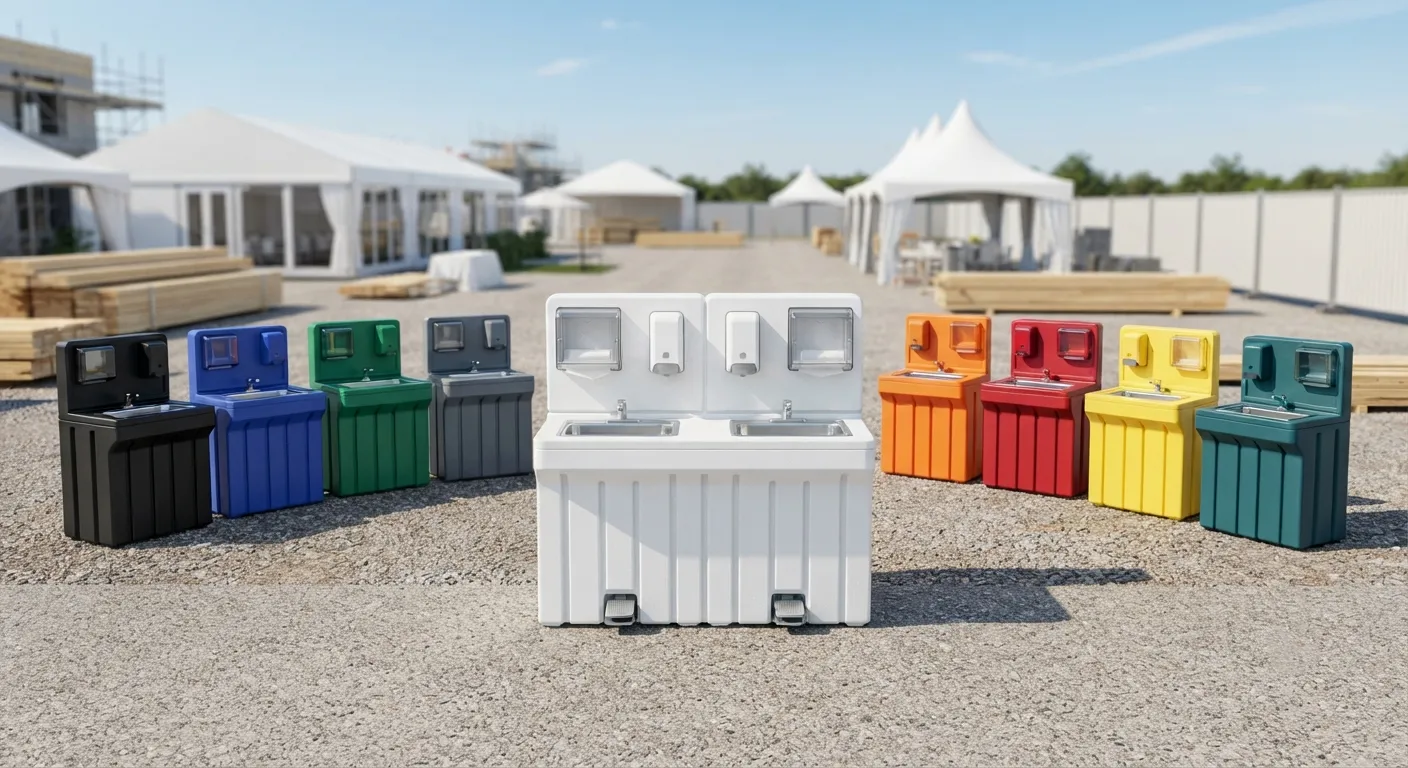
Because it can contaminate everything else in the container and put the disposal site out of compliance. Landfills and transfer stations that receive Longmont loads screen for chemicals, batteries and electronics, and a flagged container gets pulled aside for manual sorting or turned away outright. That delay lands on the renter, not just the hauler. This matters most on active job sites where a construction dumpster rental is running on a tight fill schedule tied to demolition or framing work. It also matters on residential cleanouts, where old paint cans and a broken thermostat can end up in the same pile as drywall scraps without anyone thinking twice. If your project involves stripped paint or pesticide residue, remember that OSHA 1926.51(f)(1) requires washing facilities for workers applying paints, coatings, herbicides or insecticides, since those contaminants need to come off skin before lunch, not just before quitting time. That's a worker safety rule, not a dumpster rule, but the two often show up on the same site. Pair a handwashing station rental with your dumpster order if your crew is stripping paint or applying treatments outdoors.
What About Yard Waste, Concrete, and Construction Debris?
Most standard roll-offs handle general construction debris, wood, drywall and yard waste fine, but heavy material like concrete, brick or dirt often needs its own dumpster or a lower fill line because of weight, not volume. A 10 yard dumpster rental fills up fast with concrete long before it looks full, while a 20 yard dumpster rental gives more room for mixed debris on a bigger tear-out. Larger jobs, like a full remodel or a commercial strip-out, often call for a 30 yard dumpster rental or a 40 yard dumpster rental, but size choice depends on the type of debris more than the square footage of the project. Check dumpster sizes and dimensions before ordering if you're not sure which box fits your pile. Mattresses, furniture and appliances without refrigerant are usually fine in a standard load. If your project sits close to a public street in Longmont, placement rules can affect where the container lands, so review dumpster permit requirements alongside your rental. Landscaping debris like tree stumps and large branches sometimes needs prior approval too, since bulk organic waste is handled differently at some transfer facilities than bagged yard trimmings.
Do I Need a Permit for What I'm Throwing Away?
Sometimes, and it depends on placement more than contents. A dumpster sitting in a driveway usually needs no city paperwork, but one placed in the street or right-of-way in Longmont typically does, and that permit question is separate from what material goes inside. If you're planning a big cleanout or a multi-week teardown, pair your dumpster rental cost research with a permit check so both pieces are settled before delivery day. A roll-off truck needs about 60 feet of straight clearance behind it to place or pull a container, so tight lots or narrow alleys in older parts of Longmont sometimes limit placement options regardless of what's going inside. If you're coordinating a dumpster with other equipment, like a temporary fence rental around a demo site or a storage container rental for tools, plan the layout together so the delivery truck has room to maneuver.
Can I put a mattress in a dumpster?
Usually yes, a standard roll-off from Longmont Porta Pros takes mattresses and furniture without issue. Some disposal facilities charge extra or require them bagged. Ask when you book so there's no surprise at pickup, especially on larger cleanout jobs.
Can I throw away paint cans?
No, not liquid paint. Dried, empty cans are often fine, but wet paint counts as hazardous material and needs separate drop-off at a facility equipped to handle it, not a roll-off.
What happens if I put a banned item in the dumpster anyway?
The load can get flagged and rejected at the transfer station, which delays your project and may add a fee. Sort questionable items out before pickup, or call and ask first.
Can electronics go in a roll-off?
Not usually. TVs, monitors and some appliances contain materials that most facilities won't accept in general construction or household debris loads. Check locally before loading anything electronic.
How do I know what size dumpster I need if I have mixed debris?
Weight matters more than volume with heavy debris like concrete or shingles. Review dumpster sizes and dimensions and ask about weight limits before choosing between a 10, 20, 30 or 40 yard box.

Next step
Get a delivery date
Tell us the address, the dates and the headcount. We size the order and confirm the route.