What Makes a Porta Potty ADA Compliant?
Size and clearance, mostly. The door opening needs a minimum of 32 inches under ADA Standards section 404.2.3, and the path leading up to the unit needs a clear width of at least 36 inches per ADA Standards section 403.5.1. Inside, there has to be room for a 60 inch turning circle, per ADA Standards section 304.3.1 - that is not a suggestion, it is the number an inspector or a picky GC will pull out if there is a complaint. The ground underneath matters too. ADA Standards section 302.1 calls for stable, firm, slip resistant surfaces, which rules out setting an accessible unit straight onto gravel or soft turf without a mat or pad under it. Grab bars and controls need to sit within reach ranges under ADA Standards section 308.2.1, and anything operable, a latch, a paper dispenser, a door pull, has to work with one hand and take no more than 5 pounds of force under ADA Standards section 309.4. A standard Longmont Porta Pros unit is about 44 by 48 inches on the ground. The ADA unit is bigger, built around that turning circle, so it needs a different footprint on your site plan.
How Many ADA Units Do I Need?
One accessible unit per cluster is the floor, not a per-unit ratio you calculate separately from your total toilet count. If you are running the numbers under OSHA 1926.51(c) for a construction crew - one toilet for 20 workers or fewer, then a urinal and toilet seat per 40 workers past that - you still only need one accessible unit in that group, unless you are running multiple separate clusters spread across a large site. A Longmont job site strung out over several acres might need more than one grouping, and each grouping needs its own accessible unit. This is different math than how many porta potties you need overall, so run both calculations separately before you order. Event planners in Longmont tend to underestimate this. A wedding with 150 guests might order eight standard units and forget the accessible one until a guest in a wheelchair shows up. Longmont Porta Pros builds the accessible unit into the quote from the start so it is not an afterthought add-on the week of the event.
Where Should ADA Units Be Placed?
On a firm, level surface with a clear approach path, ideally near the front of the cluster, not tucked behind the standard units. The ramp leading up, if the unit sits on a platform, cannot run steeper than 1:12 under ADA Standards section 405.2, which means a unit raised even a few inches needs several feet of ramp length to stay legal. That takes real space, so plan for it before delivery day, not after the truck shows up. Longmont Porta Pros walks the site with you, or asks for photos ahead of time, because a driveway slope or a curb can turn a simple placement into a problem. Placement in the public right of way in Longmont needs confirming with the city before delivery; check with the relevant department rather than guessing on that one. For construction sites, keep the accessible unit within the same reasonable walking distance as the rest of the cluster - OSHA 1926.51(c) does not spell out a maximum distance for construction the way agricultural field sanitation does, but common sense and site logistics still apply. If you are staging a restroom trailer instead of standalone units, the same clearance and slope rules apply to the ramp and entry door.
Do Event Sites Have Different ADA Rules Than Job Sites?
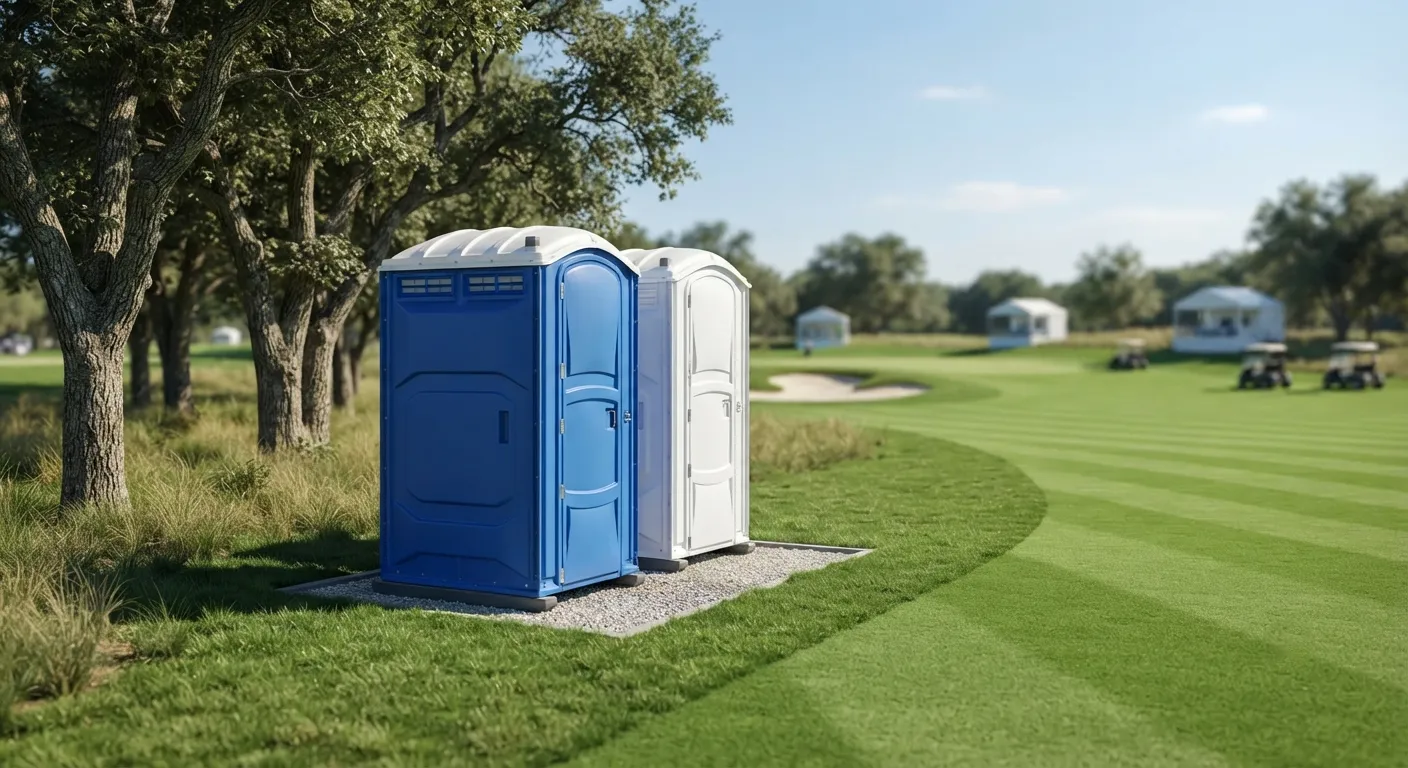
The accessible unit requirement itself does not change, but how you apply it does. A festival or fair in Longmont with thousands of guests over a weekend needs the same 1-in-5 minimum on accessible units, but the units get spread across multiple entrances and food court areas rather than clustered in one spot near a job trailer. A county fair or golf tournament layout usually calls for accessible units at each major restroom bank, not just one for the whole grounds. Construction sites lean on OSHA 1926.51(c) for headcount ratios first, then layer the ADA unit on top of that. Either way, Longmont Porta Pros prices the accessible unit the same way it prices a standard unit rental, inside the normal day, week or month bands, so there is no surprise premium for compliance.
| unit | day | week | month |
|---|---|---|---|
| ADA accessible | 200-400 | 120-240 | not typically offered |
| Standard | 100-350 | 130-500 | 125-325 |
Do I need an ADA unit if I only have two porta potties on site?
Yes. ADA Standards section 213.2 sets the minimum at one accessible unit per cluster, and it never drops to zero regardless of cluster size. Two standard units still count as a cluster, so one of them needs to meet the accessible spec.
Can I rent just the ADA unit without renting standard units too?
Yes, some renovation and small job sites only need one unit total. In that case the single unit should meet the accessible spec anyway, since Longmont Porta Pros treats a lone unit as its own cluster of one.
What is the difference between an ADA unit and a standard unit?
Mainly size and hardware. The ADA unit has a wider 32 inch door opening, room for a 60 inch turning circle inside, and reachable, low-force controls, per ADA Standards sections 404.2.3, 304.3.1 and 309.4. A standard unit skips those clearances.
Does an ADA porta potty cost more to rent?
Daily and weekly ADA rates run close to standard unit pricing, sometimes a bit higher on the daily side. Check current porta potty rental cost figures against the ADA table above before you set a budget.
Who do I ask about placing a unit in a Longmont right of way?
That is not something to guess on. Confirm directly with the city before delivery day, since placement in the public right of way needs sign-off and Longmont Porta Pros can help you figure out who to call.
Next step
Get a delivery date
Tell us the address, the dates and the headcount. We size the order and confirm the route.