
How Many Porta Potties Do I Need for a Construction Site?
Start with your crew size and let OSHA 1926.51(c) do the math for you. The rule is a table, not a single number: 1 toilet facility for 20 workers or fewer, then 1 toilet seat and 1 urinal per 40 workers once you pass 20, and 1 toilet seat and 1 urinal per 50 workers once you hit 200 or more. A 15 person framing crew needs one standard portable toilet. A 60 person job needs two seats and two urinals under the 40 person bracket. Job length matters too. A short punch-list job might only need a unit for a few days, which is where a porta potty rental per day quote makes more sense than a monthly rate. Longer builds usually run on a monthly porta potty rental instead, serviced weekly under the ANSI/PSAI Z4.3 standard. If you're not sure which bracket your crew falls into, the full breakdown lives on our OSHA portable toilet requirements page, and general project sanitation planning is covered under construction site services in Longmont.
How Many Porta Potties Do I Need for an Event?
Events don't follow the OSHA table. They follow headcount and hours, and both change the math fast.
| Guests | Event length | Units needed |
|---|---|---|
| 50-100 | Up to 4 hours | 2 standard units |
| 100-250 | Up to 4 hours | 3-4 standard units |
| 250-500 | Up to 6 hours | 6-8 standard units |
| 500-1000 | Up to 8 hours | 10-15 standard units |
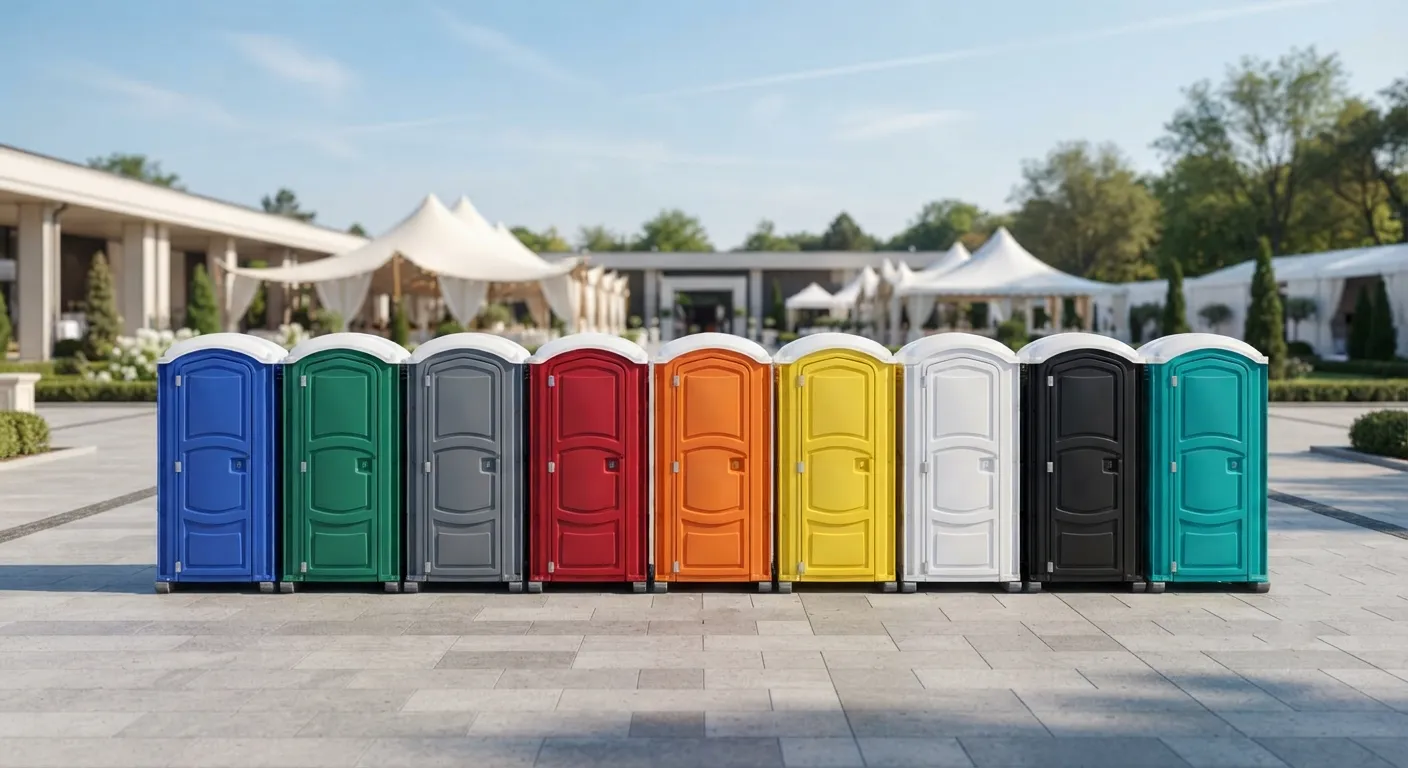
Add one unit for every 2 hours past the baseline window. A wedding running 6 hours with 150 guests should round up from the 4 hour number, not stick to it. Check wedding restroom rental or event restroom rental for setups that include hand sanitizer stations alongside toilets. Larger gatherings, like a race stop or a fairground crowd, lean on the higher end of that table, and you can see how those numbers change at scale on festival restroom rental or marathon and race restrooms in Longmont.
Does Serving Alcohol Change the Count?
Yes. Alcohol increases bathroom trips and shortens patience for lines, so add 10 to 20 percent more units than the dry-event number. A 200 guest party with a beer garden should plan closer to 5 units instead of 4. If the event runs past dark or into a second day, that math compounds. Multi-day festivals need service visits built into the plan, not just more units sitting idle. An ADA accessible porta potty should be part of the count regardless of alcohol service, since ADA Standards section 213.2 requires at least 5 percent of clustered single-user units to be accessible, and never fewer than one. For anything serving food alongside alcohol, a deluxe flushable porta potty upgrade cuts down on complaints fast.
How Do I Count for a Multi-Day Job or Festival?
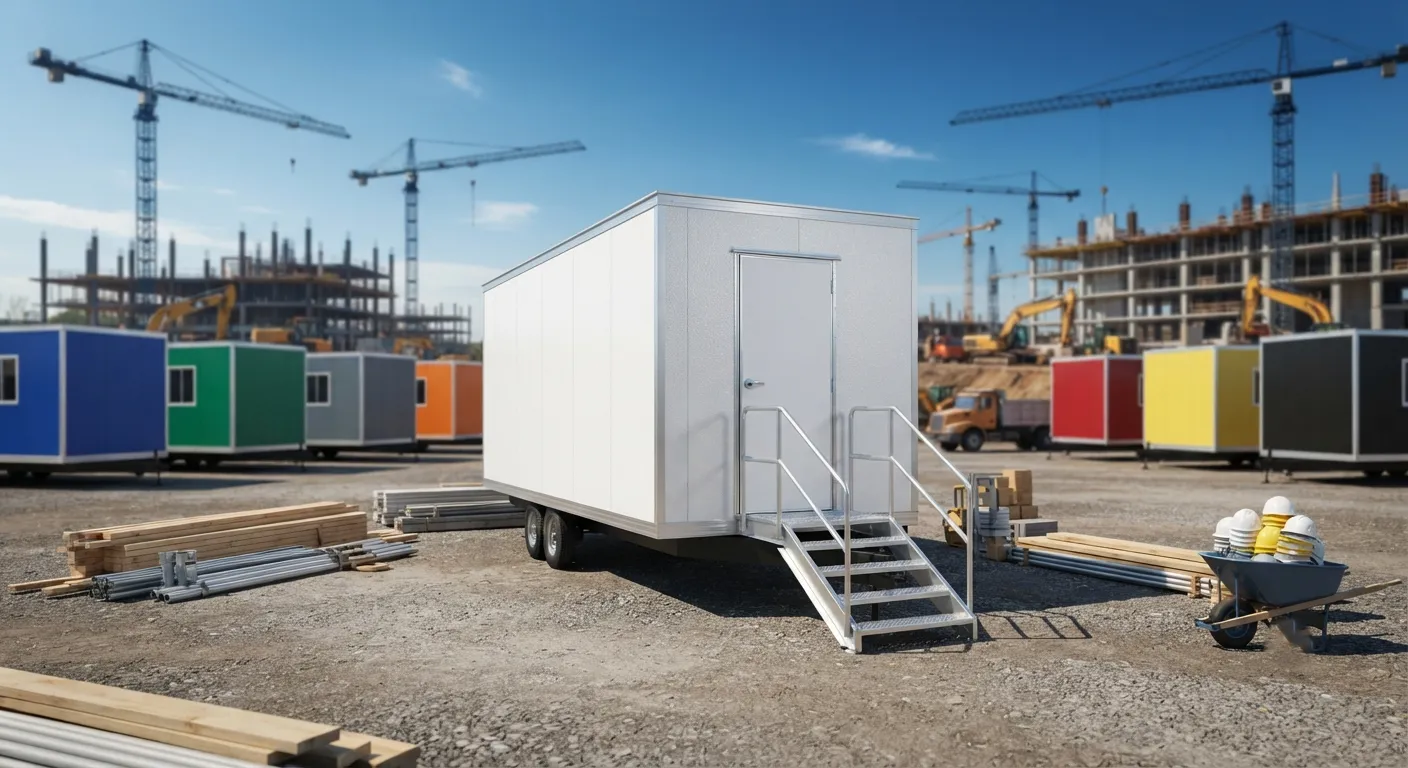
Multi-day changes the service schedule more than the unit count. ANSI/PSAI Z4.3 sets a baseline of one service visit per week for up to 10 users across a 40 hour week, so a weekend festival with 500 people needs mid-event servicing built in, not a single drop-off. A three-day county fair with steady foot traffic should plan servicing every day, not weekly. Longmont Porta Pros schedules service visits around your actual hours, not a flat calendar. If your event spans a full weekend, a porta potty rental per day breakdown helps you compare against booking the whole weekend at once, since the weekend rate for a standard unit typically runs in the 125 to 400 dollar range depending on unit count and service frequency. For county-scale events, see county fair restrooms for how service intervals get planned around vendor hours and grandstand crowds.
What About Worksite Handwashing and Water?
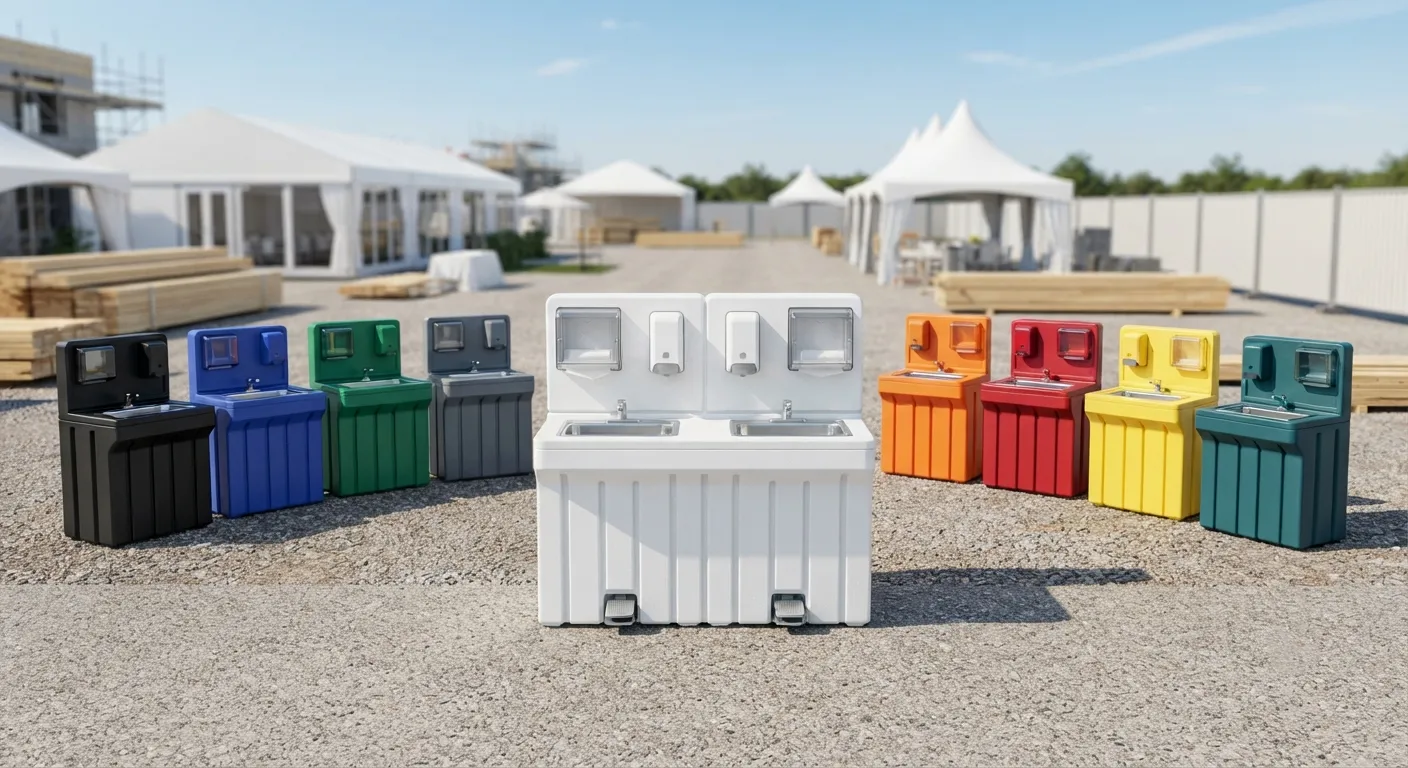
Toilets aren't the whole picture. OSHA 1926.51(a)(1) requires an adequate supply of potable water at every place of employment, and if your crew is applying paints, coatings, herbicides or insecticides, OSHA 1926.51(f)(1) requires washing facilities specifically for that contaminant exposure. That's separate from your toilet count. A painting crew of 12 still falls under the 20-or-fewer bracket for toilets, but still needs a handwashing station if they're spraying coatings. 29 CFR 1910.141(d)2) also requires soap and towels or a hand-drying device at washing stations, not just sanitizer. Add a unit from handwashing station rental or a portable sink rental alongside your toilet order. Farm crews doing hand labor fall under a different rule, OSHA 1928.110, which sets one facility per 20 employees within a quarter mile walk, relevant for farm and agricultural restrooms work around Longmont.
Worked Example: A 45-Person Job Site
Take a 45 person remodel crew running six weeks. Under OSHA 1926.51(c), 45 workers land in the 20-to-200 bracket, which calls for 1 toilet seat and 1 urinal per 40 workers. That rounds up to two full setups. Add an accessible unit if any worker needs one, since a standard unit sits about 44 by 48 inches on the ground and 92 inches tall, and that's not always workable for someone using a mobility device. A porta john rental quote for a job this size usually lands in the standard monthly band, and since this job runs six weeks, a monthly porta potty rental makes more financial sense than paying day rates twice over. Add a handwashing station rental if the crew is doing any coating work, per 1926.51(f)(1). This is the kind of math our how many porta potties do i need planning calls come down to daily.
Worked Example: A 300-Guest Outdoor Wedding
A 300 guest wedding running 6 hours with a bar falls into the 250-500 guest bracket, which starts at 6 to 8 standard units. Add the alcohol adjustment, roughly 10 to 20 percent more, and you land around 8 to 9 units. Round up to at least one ADA accessible porta potty, since ADA Standards section 213.2 requires it once you're clustering units at this scale. A wedding this size often upgrades some or all of that count to a deluxe flushable porta potty or books a restroom trailer rental instead, especially a 2 stall restroom trailer or 4 stall restroom trailer for the bridal party. Trailers for events like this typically run in the thousands for a weekend rental. If the venue is near Firestone, about 9.5 miles east of Longmont, or Lafayette, 12.5 miles south, delivery routing still starts from our Longmont base.
How many tons does a 20 yard dumpster hold?
A 20 yard dumpster typically holds 2 to 3 tons of debris, though the exact limit depends on material density and your hauler's weight cap. Check dumpster weight limits before loading concrete or shingles, since dense material fills the weight limit before the box looks full. See 20 yard dumpster rental for sizing.
How many feet is a 20 yard dumpster?
A 20 yard dumpster runs roughly 22 feet long, 8 feet wide and 4 feet tall, though dimensions vary slightly by manufacturer. Full measurements and comparisons against other sizes sit on dumpster sizes and dimensions, useful before you commit to a roll-off dumpster rental.
How many tons does a 30 yard dumpster hold?
A 30 yard dumpster generally holds 3 to 4 tons, depending on what's loaded and how it's packed. Heavier debris like roofing or masonry hits the weight cap well before the volume cap. Compare sizing on 30 yard dumpster rental and check limits on dumpster weight limits.
How many tons does a 40 yard dumpster hold?
A 40 yard dumpster typically holds 4 to 5 tons of mixed construction debris. It's the largest standard size most residential and commercial jobs need. See 40 yard dumpster rental for availability and delivery clearance, which needs about 60 feet of straight space behind the truck.
How many cubic feet in a 10 yard dumpster?
A 10 yard dumpster holds about 270 cubic feet of debris, roughly enough for a small bathroom remodel or a garage cleanout. It's a common choice for home renovation porta potty jobs that also need a dumpster on site. Full specs sit on 10 yard dumpster rental.
How many cubic feet in a 40 yard dumpster?
A 40 yard dumpster holds about 1,080 cubic feet, roughly four times the volume of a 10 yard box. It suits large demolition or whole-house cleanout jobs. Delivery still needs the same 60 feet of straight clearance behind the truck as smaller sizes. Details are on 40 yard dumpster rental.
Next step
Get a delivery date
Tell us the address, the dates and the headcount. We size the order and confirm the route.