How fast can Longmont Porta Pros respond to a disaster?
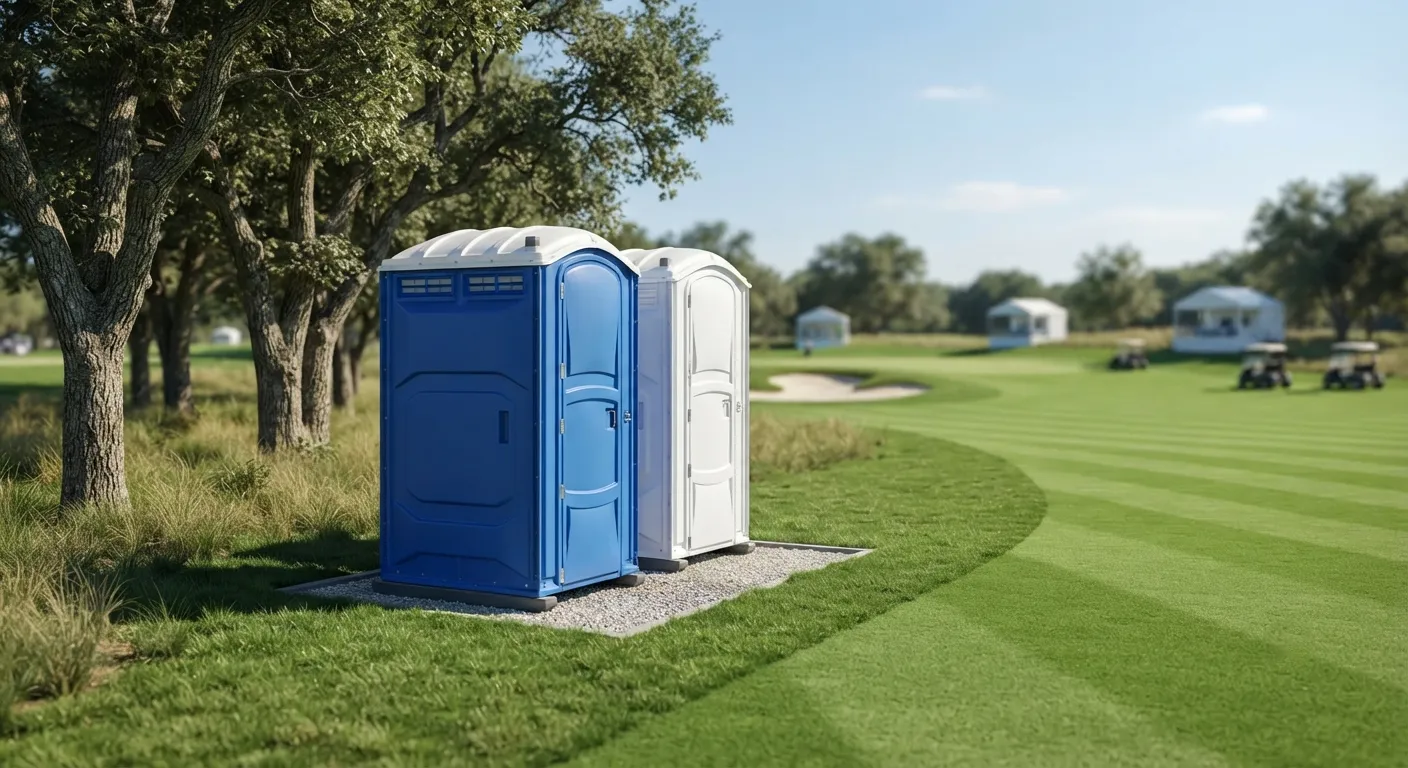
Disaster response is not the same job as a scheduled event, and Longmont Porta Pros treats it that way. Crews prioritize calls tied to active outages, evacuations, or condemned buildings ahead of routine portable toilet rental orders. A single standard porta potty rental can be delivered and set within hours of confirming site access, and larger deployments scale from there with additional porta john rental units pulled from the same fleet used for construction site services. For anything beyond a handful of units, a portable restroom rental plan gets built around headcount, water damage extent, and whether the site has power. If the disruption knocks out running water for a household or business, a handwashing station rental or portable sink rental often goes out alongside the toilets, since 29 CFR 1910.141(d)(2) requires soap and towels or a hand-drying device at any washing facility, not sanitizer alone. Longmont sits inland from major flood corridors but still sees localized water and wind events, and when several blocks lose service at once, response speed matters more than unit count. Crews coordinate delivery routes the same way they do for porta potty rental Longmont jobs, checking street access and truck clearance before anything rolls out. A roll-off delivery needs about 60 feet of straight clearance behind the truck, which matters just as much on a debris-choked street after a storm as it does on a job site.
What sanitation do disaster sites actually need?
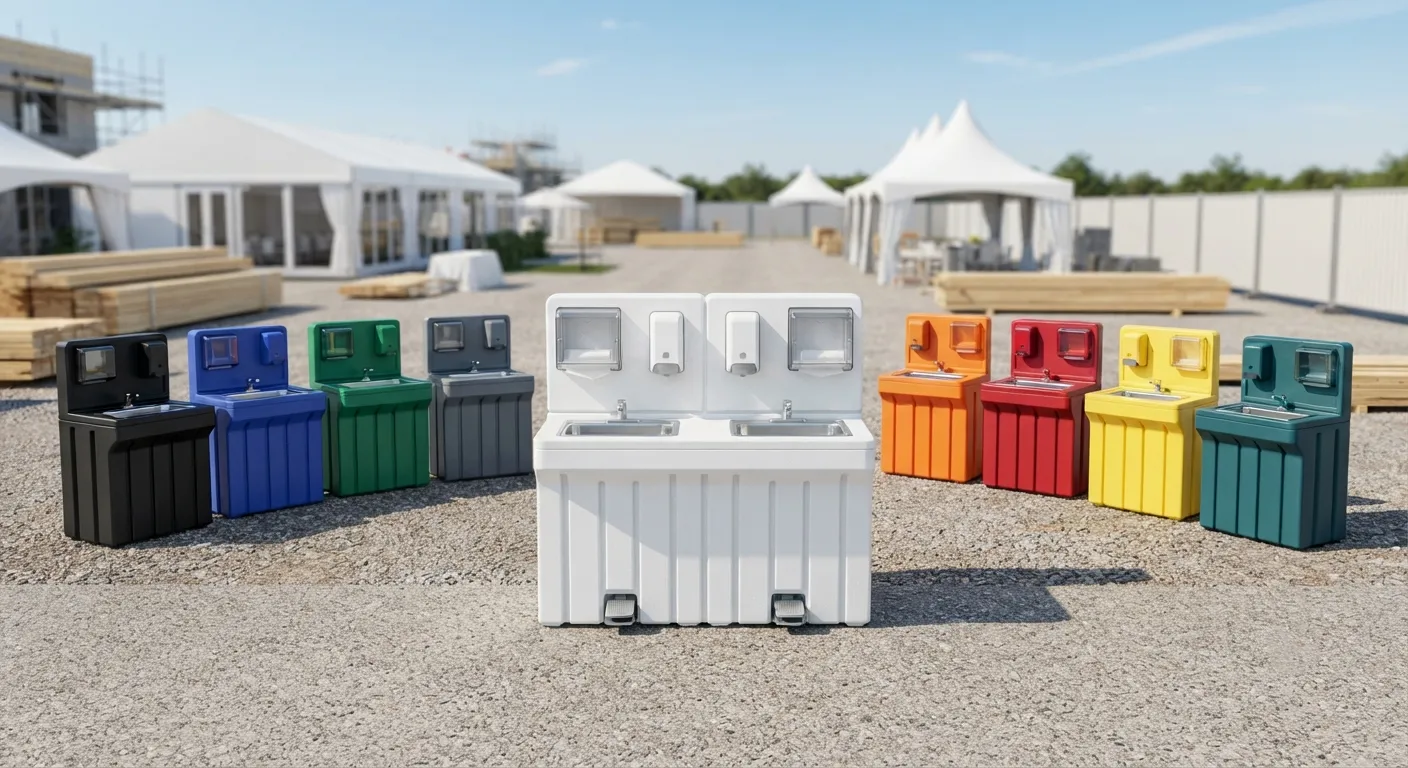
Every disaster site needs three things: toilets, handwashing, and somewhere for debris to go. OSHA 1926.51(c) sets the baseline ratio for workers on a site, one toilet for 20 workers or fewer, and that ratio holds whether the crew is framing a house or clearing storm debris. If displaced residents are also using the units, capacity should be built above that OSHA minimum, not to it. Longmont Porta Pros pairs ADA accessible porta potty units with standard ones on most disaster deployments, since elderly and mobility-impaired residents are disproportionately affected in outages, and ADA Standards 213.2 calls for at least 5 percent of a clustered group to be accessible units, never fewer than one. Debris removal runs alongside sanitation on most of these jobs. A roll-off dumpster rental handles storm debris, ruined drywall, and flooring, with sizing help available through dumpster sizes and dimensions if the damage scope is still unclear. Homeowners doing their own cleanup often start with a 10 yard dumpster rental and move up to a 20 yard dumpster rental once they see how much material is coming out of a flooded basement. If the property still has a septic system that took on groundwater, septic pumping service may be needed before the tank backs up further, and septic tank warning signs is worth a read for anyone unsure whether their tank was compromised. Sites without power can add a light tower rental or temporary power pole to keep cleanup crews working past dark.
Where do these units go on a damaged site?
Placement follows the same access rules as any job, storm or not. ADA Standards 403.5.1 requires a 36 inch clear route to accessible units, and ADA Standards 405.2 limits ramp slope to 1:12, both of which matter more, not less, on uneven ground after a flood or a downed tree. The porta potty placement guide covers stable, level ground requirements that still apply even when the yard is torn up. If the disaster site sits in the public right of way, blocking a sidewalk or lane, that placement needs confirming with the City of Longmont before delivery, since right-of-way rules vary by situation. Temporary fencing often goes up around disaster sites to secure damaged structures or keep people away from debris piles, and temporary fence rental or chain-link temporary fence can be delivered on the same truck run as sanitation units. For multi-week recovery operations, a storage container rental or mobile office trailer rental gives displaced staff or contractors a secure base, and pricing for that runs through storage container rental cost. Firestone sits about 9.5 miles east of Longmont and Loveland about 18.8 miles north, both within normal delivery range if a disaster spans city lines.
How much does emergency sanitation cost during a disaster?
Emergency and disaster-rate units generally run at day rates rather than weekly or monthly terms, since nobody knows the recovery timeline on day one. Expect standard unit pricing similar to routine porta potty rental cost, with a delivery fee added for rush scheduling. Full detail sits on porta potty rental per day.
Can Longmont Porta Pros deliver on short notice, even same day?
Often yes, especially for standard units already in the local fleet. Response time depends on how many other emergency calls are active and how accessible the site is. Confirm current availability through request a quote or contact rather than assuming a fixed window.
Do disaster sites need handwashing stations even without paint or chemicals involved?
Standard debris cleanup does not trigger OSHA 1926.51(f)(1), which applies specifically to paints, coatings, herbicides, or insecticides. But general handwashing access still matters for sanitation and disease prevention, and most disaster deployments include a station regardless.
Is septic pumping part of disaster sanitation service?
It can be. Floodwater and heavy rain can force a residential septic tank to back up before its normal 3 to 5 year pumping cycle. If a tank shows signs of surcharge, emergency septic service handles that separately from portable toilet deployment.
What if the disaster site has no power for lighting or a restroom trailer?
A restroom trailer rental still needs power to run lighting and pumps, so a light tower or temporary power pole often gets added to the order. Standard porta potties do not require power at all, which makes them the faster option immediately after an outage.
Next step
Get a delivery date
Tell us the address, the dates and the headcount. We size the order and confirm the route.